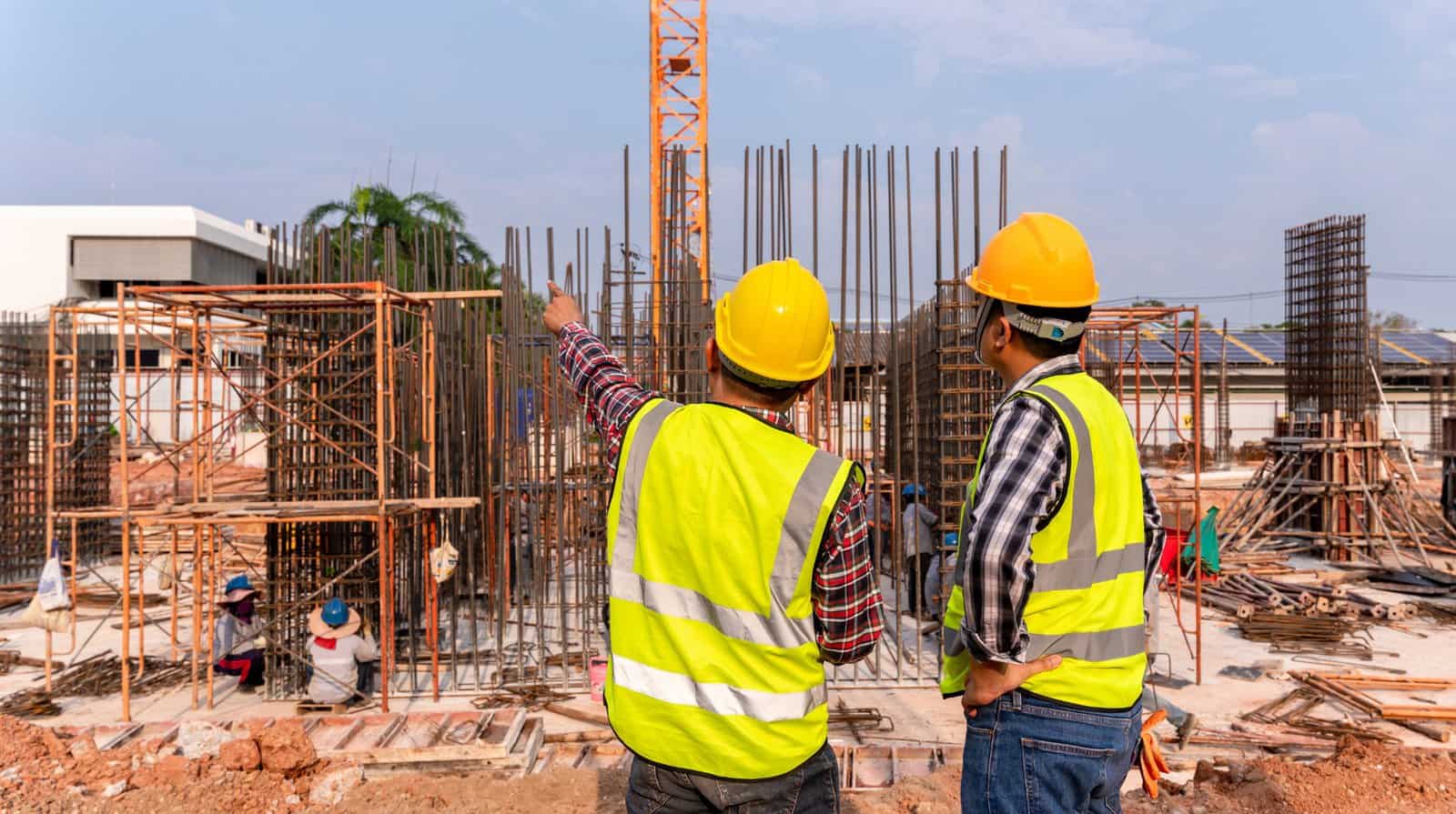
Every construction project, regardless of scale, requires a careful orchestration of multiple services to ensure efficiency, safety, and high-quality results. From site preparation to finishing touches, each phase demands expertise and specialized resources. By integrating essential services early on, project managers can prevent costly delays, minimize risk, and maintain a smooth workflow. This guide explores the core services that should be included in every construction project, ensuring both functional and aesthetic success.
Quarry: A Foundation for Quality Materials
A reliable quarry is crucial for sourcing high-quality raw materials such as stone, gravel, and sand. These materials form the backbone of any construction project, impacting everything from structural integrity to surface finishes. Establishing a trusted quarry partnership ensures consistent supply, reduces delays, and maintains material standards, which are essential for meeting project specifications and long-term durability.
Beam Sweeper: Maintaining Safety and Cleanliness
During construction, dust, debris, and other materials can accumulate, posing safety hazards and affecting workflow efficiency. A beam sweeper plays an important role in keeping work areas clean, particularly in industrial or large-scale projects. Regular sweeping of structural beams and surfaces prevents accidents, supports compliance with safety regulations, and maintains a professional work environment, which in turn enhances productivity.
Site Preparation and Earthworks
Before construction begins, thorough site preparation is essential. This includes land surveying, excavation, grading, and soil stabilization. Proper earthworks establish a stable foundation and prevent future structural problems. Ignoring this step can lead to settlement issues, drainage problems, and unexpected costs, highlighting the importance of including this service in every project plan.
Structural and Civil Engineering Services
Structural and civil engineering services are the backbone of construction. They involve designing and implementing frameworks, load-bearing structures, and essential utilities. Engaging qualified engineers ensures that buildings comply with safety codes, withstand environmental stress, and meet functional requirements. From concrete pouring to steel reinforcement, these services are non-negotiable for any project aiming for longevity and safety.
Electrical and Plumbing Services
No construction project is complete without reliable electrical and plumbing installations. Skilled electricians and plumbers ensure that wiring, circuits, water lines, and drainage systems are correctly installed and fully operational. Incorporating these services early in planning helps prevent retrofitting complications, reduces the risk of system failures, and ensures compliance with building codes and safety standards.
HVAC and Climate Control Services
Heating, ventilation, and air conditioning (HVAC) are critical for occupant comfort and energy efficiency. Properly designed HVAC systems regulate indoor air quality and temperature while minimizing energy consumption. Including climate control services from the start allows for seamless integration into building design, avoiding costly modifications and ensuring long-term operational efficiency.
Landscaping and Exterior Works
The exterior appearance and functionality of a construction project are just as important as the interior. Landscaping services, including grading, irrigation, and planting, enhance property aesthetics and usability. Additionally, exterior works such as paving, fencing, and drainage systems protect the structure and create a visually appealing environment, increasing property value and satisfaction for occupants.
Finishing and Interior Services
The final stages of construction involve finishing services like painting, flooring, cabinetry, and lighting. Attention to detail in these services enhances the aesthetic quality and functionality of the space. Hiring skilled craftsmen and planners ensures a polished finish that aligns with the design vision while maintaining durability and practicality.
Project Management and Quality Assurance
Integrating professional project management and quality assurance services ensures that all other services are coordinated effectively. Project managers oversee timelines, budgets, and compliance, while quality assurance specialists monitor workmanship and material standards. These services prevent miscommunication, reduce delays, and guarantee that the final construction meets expectations and regulatory requirements.
Conclusion
Every construction project requires a combination of specialized services to achieve success. From sourcing materials at a quarry to maintaining cleanliness with a beam sweeper, and from essential engineering and utility services to finishing touches, each component contributes to a smooth, efficient, and high-quality outcome. By including these services in the planning stage, project managers can safeguard against delays, ensure compliance with regulations, and deliver projects that are both functional and visually impressive. Effective integration of these services transforms construction from a series of tasks into a cohesive, well-executed project, leaving a lasting mark on the built environment.