Losing a limb or experiencing a serious injury can be life-changing. Everyday tasks that once felt simple may become challenging, and feelings of frustration or loss can affect your confidence. Prosthetics services play a vital role in helping people adapt to these changes. They provide tools and support that allow individuals to regain their independence and live fulfilling lives. With the right prosthetic solutions, people can continue their daily routines, pursue hobbies, and maintain a positive sense of self.
Understanding Prosthetics
Prosthetics are specially designed devices that replace a missing body part, usually a limb. They are not just mechanical replacements; modern prosthetics are designed to mimic the natural movement and function of the lost limb. This allows users to walk, hold objects, and perform daily activities more comfortably. Prosthetics services include assessments, fittings, and ongoing support to ensure the device meets the user’s unique needs. By combining technology with personal care, these services aim to improve quality of life and restore mobility.
Personalized Care and Assessment
One of the key benefits of prosthetics services is personalized care. Every person’s situation is different, and prosthetics specialists take the time to assess individual needs. They consider factors such as the type of limb loss, physical condition, lifestyle, and goals. This ensures that the prosthetic device is tailored to provide maximum comfort and functionality. Through careful assessment, specialists can recommend the right prosthetic options, helping users regain confidence in their movements and activities.
Enhancing Physical Mobility
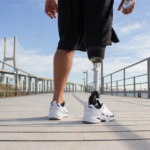
Prosthetics services focus on restoring mobility, which is essential for independence. For someone who has lost a leg, a prosthetic can help them walk, climb stairs, or even run. For arm prosthetics, users can regain the ability to lift, carry, and perform everyday tasks. The process often includes training to adapt to the new device, ensuring that movements feel natural and safe. By improving mobility, prosthetics allow people to participate more fully in work, social activities, and hobbies.
Building Confidence and Emotional Well-Being
Losing a limb can have emotional as well as physical effects. Prosthetics services not only address the physical need but also support emotional recovery. Wearing a prosthetic can restore a sense of normalcy and self-esteem. Users often feel more confident in public, in their social interactions, and at work. The ability to move freely and perform tasks independently helps reduce feelings of dependency and frustration. This emotional boost is a crucial part of living a fulfilling life after limb loss.
Supporting Daily Life and Independence
Prosthetics are designed to make daily life easier. Simple activities such as cooking, driving, or shopping can be challenging without a prosthetic, but with the right device, these tasks become manageable again. Prosthetics services provide guidance on how to use the device effectively, adapt to different situations, and maintain the prosthetic for long-term use. This support helps individuals regain control over their lives and enjoy greater independence.
Access to Advanced Technology
Modern prosthetics incorporate advanced technology, including lightweight materials, adjustable joints, and even robotic components in some cases. Prosthetics services keep users informed about these innovations and help them choose devices that best suit their lifestyle. Access to the latest technology can significantly improve comfort, efficiency, and performance. By embracing these advancements, users can achieve a level of mobility and functionality that was not possible in the past.
Long-Term Support and Follow-Up
Prosthetics services do not end with the initial fitting. Long-term follow-up is essential to ensure the prosthetic continues to meet the user’s needs. Specialists can make adjustments, provide maintenance tips, and offer ongoing training. This continuous support helps prevent discomfort, improves the lifespan of the device, and ensures that users continue to benefit from their prosthetic over time. Knowing that professional help is always available adds reassurance and stability to the user’s journey.
Conclusion
Prosthetics services are more than just providing a replacement for a lost limb. They offer a pathway to regain confidence, independence, and a sense of normalcy in life. Through personalized care, advanced technology, and ongoing support, prosthetics empower individuals to move freely, perform daily tasks, and participate in social and professional activities. With the right prosthetic device and specialist guidance, users can overcome physical challenges, rebuild self-esteem, and enjoy a fulfilling, active life. Prosthetics services truly transform not only mobility but also the overall well-being of those who rely on them.